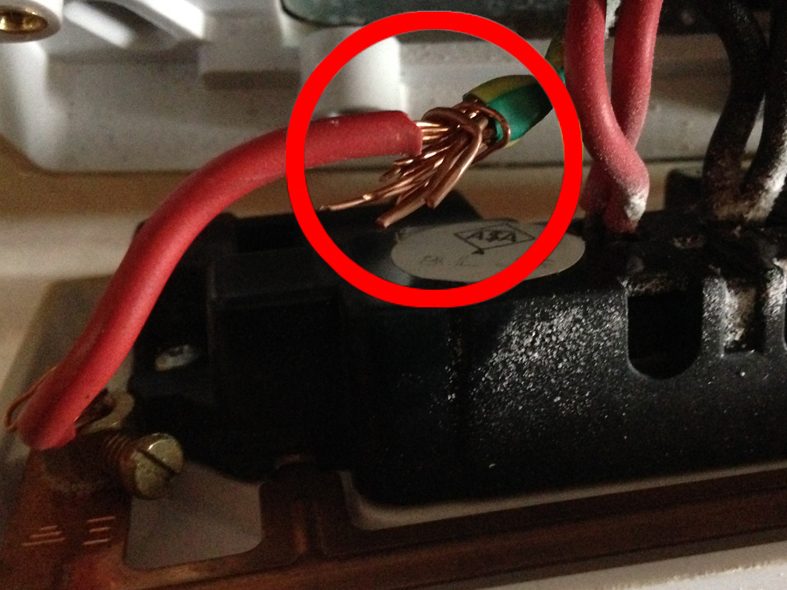
An EICR, an Electrical Installation Condition Report, is a formal inspection of a property's fixed electrical installation: the consumer unit, circuits, and wiring behind the walls. It grades what it finds against BS 7671, the UK wiring regulations, and declares the installation satisfactory or unsatisfactory. That's the forty-word version; the rest of this guide is everything that sentence compresses.
What an EICR is and what the inspection covers
EICR stands for Electrical Installation Condition Report, and the key word is installation: it examines the fixed wiring, not your appliances (appliances are PAT testing, a different job). A competent inspector examines the consumer unit and its protective devices, the earthing and bonding arrangements, a sample of accessories on every circuit, and the condition of visible wiring, then dead-tests and live-tests each circuit: continuity, insulation resistance, earth fault loop impedance, and whether RCDs disconnect within their required times. The output is the report itself plus a schedule of test results, circuit by circuit. A one-page "certificate" with no schedule attached is not an EICR, whatever it cost.
What the codes mean: C1, C2, C3 and FI
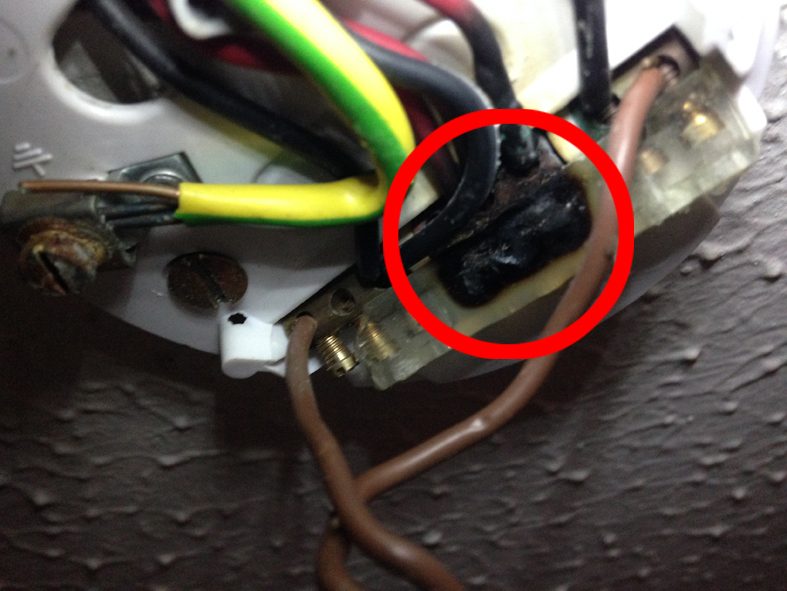
Every defect the inspector records carries one of four codes, and the code determines the consequence:
| Code | Meaning | What must happen |
|---|---|---|
| C1 | Danger present, risk of injury | Made safe immediately, before the inspector leaves |
| C2 | Potentially dangerous | Must be remedied for the installation to be satisfactory |
| C3 | Improvement recommended | Doesn't meet current standards; not dangerous; fixing is optional |
| FI | Further investigation required without delay | The investigation must happen; it may uncover a C1 or C2 |
The line that matters: any C1, C2 or FI makes the whole report unsatisfactory. C3s alone do not, and a report carrying only C3s is a pass. An installation full of C3s is also completely normal in an older house, because the standards have risen around it; C3 is "the rules changed since this was fitted", not "this was botched".
How long an EICR lasts
The report itself states the recommended interval to the next inspection, and the inspector sets it based on condition, but the standard cycles are:
| Situation | Standard interval |
|---|---|
| Owner-occupied home | 10 years, or at change of occupancy |
| Privately rented home (England) | 5 years maximum, by law |
| HMO | 5 years, tied to licensing |
| Commercial premises | Typically 5 years; the lease or insurer may require sooner |
| Buying a house | On purchase, whatever the previous owner held |
For rentals the five-year figure isn't guidance, it's the Electrical Safety Standards in the Private Rented Sector (England) Regulations 2020, and the full landlord picture, deadlines, tenant rights and penalties included, lives in the landlord certificate guide.
Satisfactory vs unsatisfactory: and what happens next
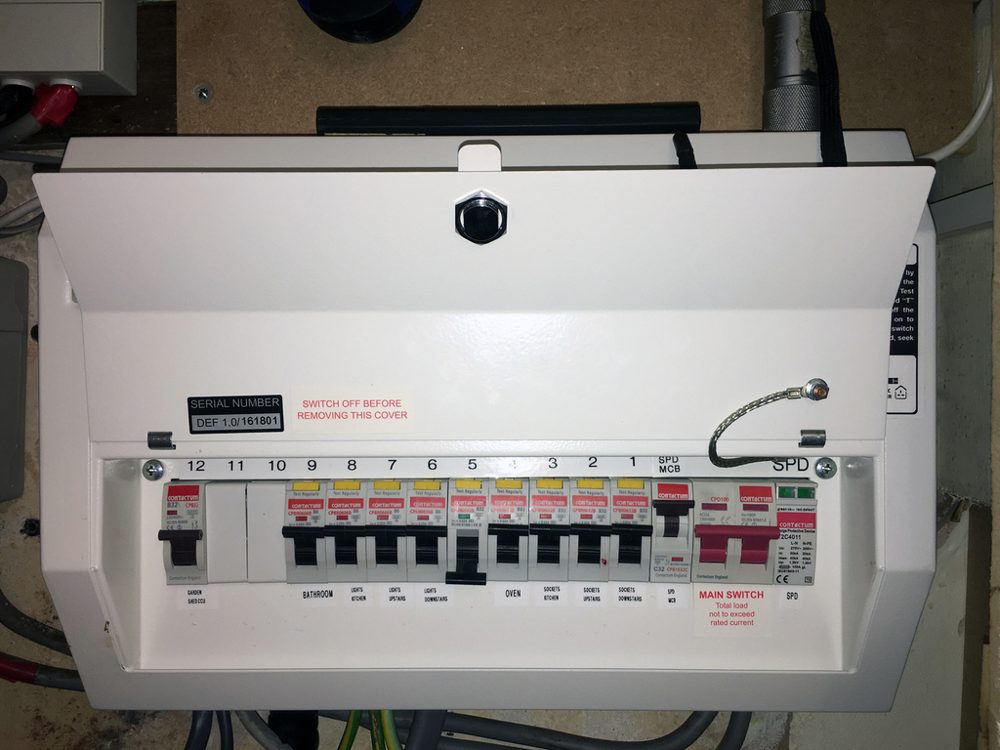
A satisfactory report means the installation is safe for continued use until the next inspection date. An unsatisfactory report is not a disaster, and it is not a demand to rewire the house; it is a costed to-do list. The C1s were already made safe on the day. The C2s and FIs get quoted, fixed, and confirmed in writing, at which point the installation is satisfactory, usually documented through certification of the remedial works rather than paying for the whole inspection again. For rented property that remedial work carries a legal 28-day clock; for homeowners it carries only your own judgement, though a C2 left unfixed is a C2 you've chosen to sleep above.
Due an EICR — or staring at an unsatisfactory one?
Send the report or the property details and you'll get a fixed written price for the inspection, or for the remedial work it flagged.
EICR vs "electrical safety certificate": the naming confusion, settled
Letting agents ask for an "electrical safety certificate", mortgage lenders for an "electrical report", councils for "proof of electrical safety", and in domestic practice they all mean the same document: an EICR. The genuine differences worth knowing: an Electrical Installation Certificate (EIC) is what you receive when new work is done, a Minor Works Certificate covers small alterations, and an EICR is the condition survey of what already exists. If you've just had work done, you want an EIC from the installer, not an EICR; if someone's asking about the state of the whole installation, it's the EICR they mean.
What does EICR stand for?
Electrical Installation Condition Report. You'll see "periodic inspection report" (PIR) in older documents; the EICR replaced the PIR as the standard form.
Is an EICR a legal requirement?
For private rentals in England, yes, every five years under the 2020 Regulations, with real penalties, all covered in the landlord guide. For owner-occupiers, no law compels one, but insurers can ask, buyers' solicitors increasingly do, and a ten-year-plus gap is running on trust.
Can any electrician do an EICR?
Legally the bar is "competent person"; practically, you want someone qualified in inspection and testing with the instruments and insurance to stand behind the result, and periodic inspection experience, since coding judgement is where good and bad EICRs diverge. Registration with a scheme such as NICEIC or NAPIT is the easy way to check you're getting that.
What happens if I don't have one?
Homeowner: nothing, until the insurance claim, the sale, or the fault that a £200 inspection would have caught. Landlord: fines of up to £30,000 per breach, and no honest route to letting the property. Buyer: you inherit whatever the seller didn't test for.
If you're in Bristol and need one: EICR testing in Bristol covers pricing, booking, and turnaround. How long the inspection takes is its own short guide, and if you're mid-house-sale, read do you need an EICR to sell a house.